IMO IS ECONOMICALLY SICK, 2027 MUST NOT BE BUSINESS AS USUAL — DR CHIMA AMADI TELLS LECTURERS
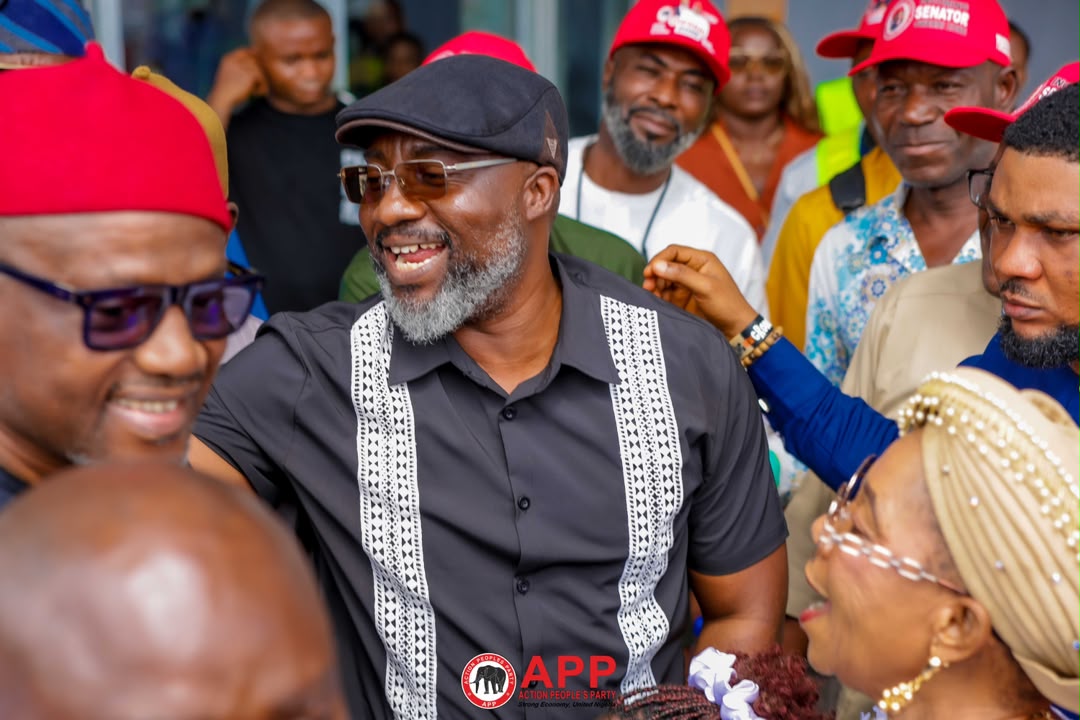
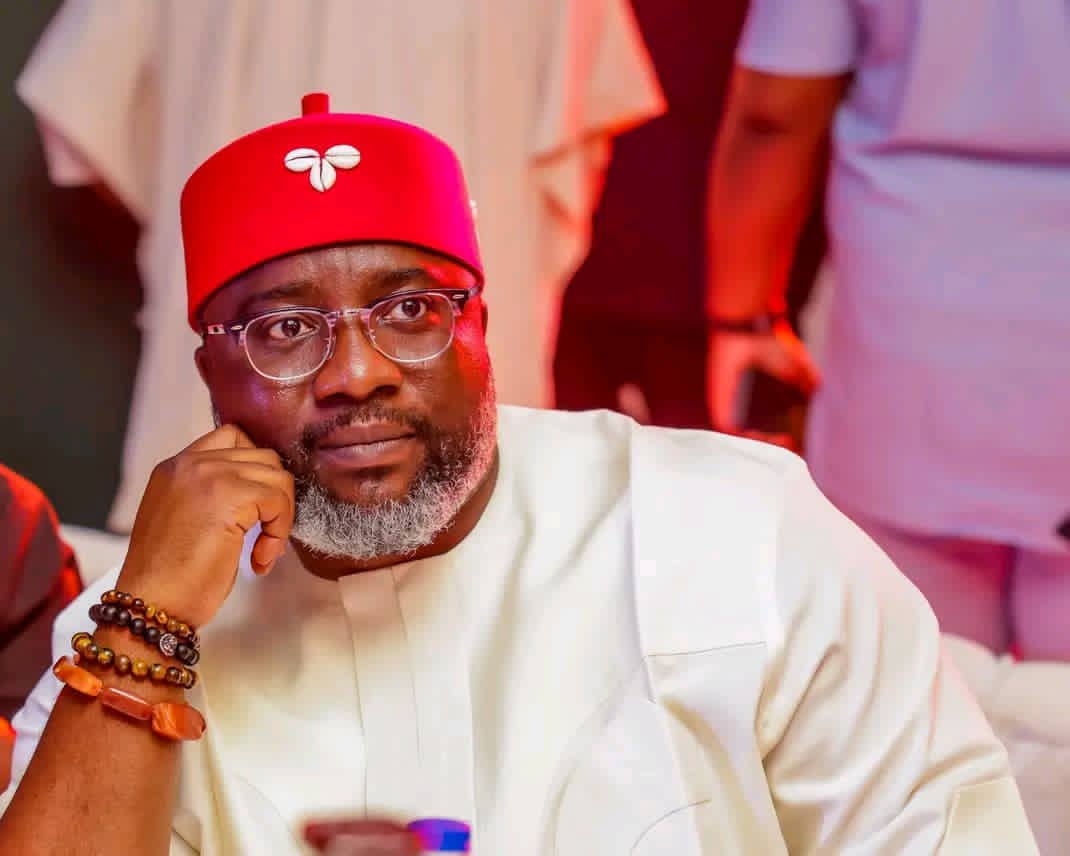
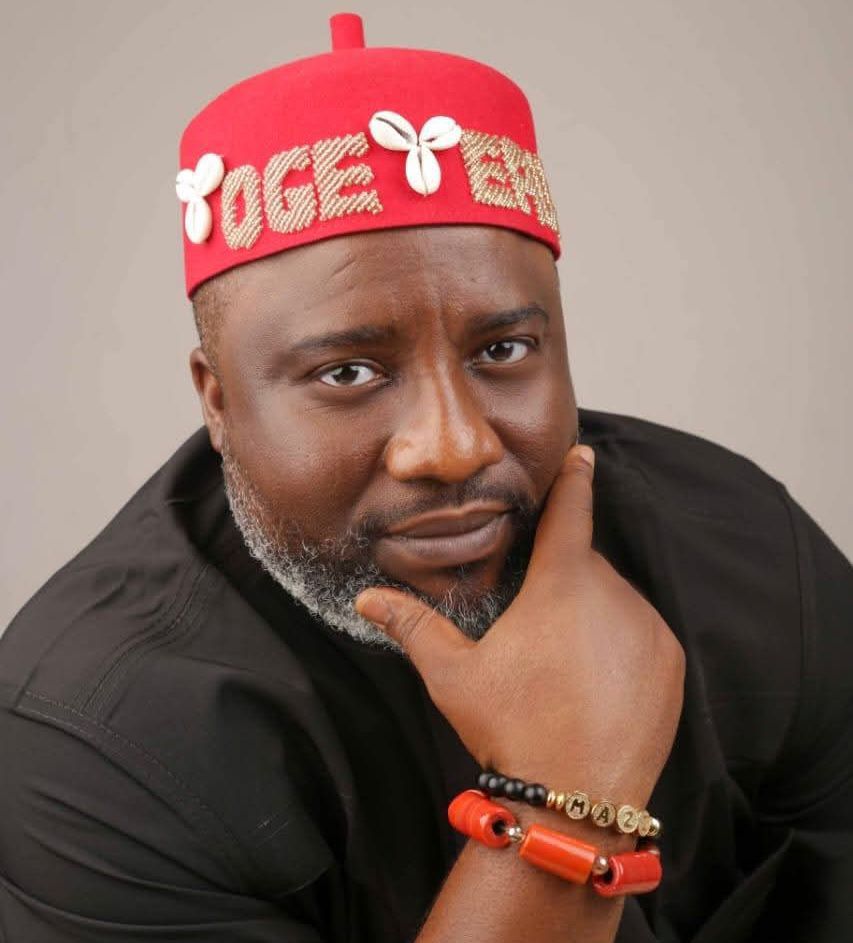
As part of his ongoing grassroots consultations ahead of the 2027 elections, Dr Chima Matthew Amadi met with a group of lecturers in Owerri Zone, where he shared his vision for Imo State and engaged members of the academic community on the future of the state.
Speaking about his background, Dr Amadi described himself as a man whose primary engagement is in the business of knowledge production. He disclosed that he is currently a Research Fellow at the University of Warwick and also participates in business activities. According to him, anyone who describes him as a trader, teacher, or politician would be correct because he has played significant roles in all three spheres.
He explained that he had long looked forward to meeting with members of the academic community to have an honest and interactive conversation about the state of Imo. According to him, the state is currently facing a serious crisis that requires urgent intervention.
"Imo State is sick," he declared. "It is economically sick. Any state burdened by the level of multidimensional poverty that exists in Imo today is undoubtedly a sick state."
Dr Amadi lamented the decline in educational infrastructure across the state, arguing that the condition of public schools is a clear reflection of the government's failure. He urged those present to revisit the public schools they attended while growing up and compare them to what exists today.
He also criticised what he described as the wasteful deployment of public resources. Citing the reported expenditure of ₦19 billion on the refurbishment of Concorde Hotel, Dr Amadi argued that such an amount could have been better utilized to stimulate economic growth.
"Rather than commit ₦19 billion to refurbishing a hotel, why not channel such funds into a credit scheme with near-zero interest rates for small businesses?" he asked. "That would create jobs, expand economic opportunities, and strengthen the local economy."
The education advocate further linked the poor state of healthcare delivery to the rise of unqualified individuals posing as medical professionals. According to him, the collapse of public healthcare systems has enabled quacks to thrive, thereby endangering the lives of ordinary citizens.
He also noted that the deterioration of public education has led to the proliferation of expensive private schools, many of which are operated by individuals without adequate educational qualifications or training.
Turning to politics, Dr Amadi emphasised the strategic importance of Mbaitoli and Ikeduru Local Government Areas in determining the political future of Imo State. He maintained that the people of the two councils possess the numerical strength to influence the direction of governance in the state.
"We have tried the established political parties for years," he said. "What benefits have they brought to the people? Perhaps it is time to try something new."
According to him, Imo's challenge is fundamentally a leadership problem. He pointed to neighbouring states such as Abia and Enugu, arguing that their recent progress demonstrates what can be achieved when competent and committed leaders are entrusted with public office.
"The difference is leadership," he stated. "They simply got the right people in charge."
Dr Amadi warned that the consequences of political apathy would be severe and urged members of the academic community to actively participate in efforts to bring about change.
"We need your help. The system needs your help. We must resist those who have held our state back. The 2027 election must not be business as usual. This time, the votes must count."
Speaking on behalf of the lecturers, the Master of Ceremonies acknowledged that the interaction had provided greater clarity on the challenges confronting the state and the role citizens must play in addressing them. He described Dr Amadi as one of their own and expressed confidence that the academic community would continue discussions on strategies for contributing to the state's development.
He urged members to support Dr Amadi's political aspirations and, importantly, to be prepared to protect and defend their votes during the electoral process.
The interactive session also featured questions and contributions from participants.
One speaker highlighted Imo State's vast gas reserve and challenged Dr Amadi when he gets into power to develop policies that would translate the state's natural wealth into tangible benefits for ordinary citizens.
"If God has blessed Imo with such enormous gas resources, then every citizen should be able to enjoy reliable electricity and economic prosperity from those resources," the participant remarked.
Another contributor noted that while several local governments within Owerri Zone had previously produced prominent political leaders, Ngor Okpala had yet to occupy such a position. He expressed confidence that Dr Amadi's emergence would change that narrative and assured him of the support of the Mbaitoli and Ikeduru communities.
Dr Uche Dozie, another participant, observed similarities between Dr Amadi and the Labour Party presidential candidate in the 2023 election, stating that he saw in him some of the qualities associated with Peter Obi.
"He does not speak like the typical politician," Dr Dozie said. "The challenge is often what happens between the polling unit and the final collation centres, but from what we have heard today, we must be prepared to defend our votes."
Responding to the concerns raised, Dr Amadi argued that the politics surrounding Imo's vast gas deposits partly explains why entrenched interests are determined to keep genuine reformers away from power.
"We are sitting on billions of dollars' worth of gas reserves," he said. "Imo is literally an ocean of gas wealth."
He accused successive administrations of operating with excessive secrecy and pledged that public assets and economic opportunities would be managed transparently and for the benefit of the people.
"The people's enterprise will return to the people," he declared. "Many do not want to do the right thing because doing the right thing reduces the amount of money flowing into their pockets."
On electoral integrity, Dr Amadi provided a detailed explanation of strategies for combating election rigging, particularly through the effective use of electoral result documents such as Forms EC8A, EC8B, and EC8C. While acknowledging that no system is completely foolproof, he stressed that citizens must remain vigilant and committed to defending their votes.
The meeting concluded with a vote of thanks delivered by Prof. Nwachukwu, who described Dr Amadi as a decent and credible leader. He assured him of the support of those present and expressed appreciation for honouring their invitation.
"We are assuring you of our votes," Prof. Nwachukwu said. "And those votes will not be in vain. Thank you for taking the time to be with us and share your vision for the future of Imo State."